Modern economies depend on infrastructure.
Power plants, substations, manufacturing facilities, renewable energy projects, industrial developments, and transportation networks all require the movement of highly specialized equipment before construction can begin. While most people only see the finished infrastructure, the reality is that every major project begins with a complex logistics operation that often determines whether a project stays on schedule and within budget.
For Tyler Soffiantino, President & CEO of Victory Logistics, understanding the challenges behind project cargo and heavy haul transportation has been a fundamental part of building the company into a trusted logistics partner for businesses operating in complex supply chain environments.
As demand for energy infrastructure, industrial expansion, and supply chain modernization continues to increase across North America, specialized transportation solutions have become more important than ever. From transformer transportation and oversized industrial equipment to project cargo requiring detailed route engineering and coordination, the logistics industry plays a critical role in supporting economic growth and infrastructure development.
Understanding the Complexity of Project Cargo Logistics
Project cargo logistics refers to the transportation of large, high-value, heavy, oversized, or complex pieces of equipment that cannot move through conventional freight channels.
Unlike standard shipments, project cargo often requires customized transportation strategies that account for:
- Oversized dimensions
- Extreme weight requirements
- Specialized trailers and equipment
- Route surveys and engineering
- Permit acquisition
- Utility coordination
- Escort vehicle management
- Port and rail coordination
- Construction schedules and delivery sequencing
These projects frequently involve multiple transportation modes and stakeholders, making communication, planning, and execution critical to success.
According to Tyler Soffiantino, one of the biggest misconceptions about project cargo transportation is that it simply involves larger trucks and trailers.
In reality, successful project cargo execution requires extensive planning, risk management, and coordination long before equipment begins moving.
Every transportation decision has downstream implications for project schedules, costs, labor deployment, and operational readiness.
The Growing Importance of Heavy Haul Transportation
Heavy haul logistics represents one of the most specialized segments of the transportation industry.
As infrastructure investments continue increasing throughout North America, demand for heavy haul transportation services has expanded significantly.
Industries driving this demand include:
- Energy infrastructure
- Utility modernization
- Oil and gas
- Renewable energy
- Manufacturing
- Construction
- Mining
- Industrial development
Heavy haul transportation often involves moving equipment weighing tens or even hundreds of thousands of pounds across multiple states, jurisdictions, and transportation networks.
Each project requires detailed analysis of:
- Bridge capacities
- Road restrictions
- Height clearances
- Weight limitations
- Traffic considerations
- Permit requirements
- Safety protocols
The margin for error is extremely small.
This is one of the reasons why specialized logistics expertise has become increasingly valuable in the heavy haul sector.
Transformer Transportation and Energy Infrastructure Logistics
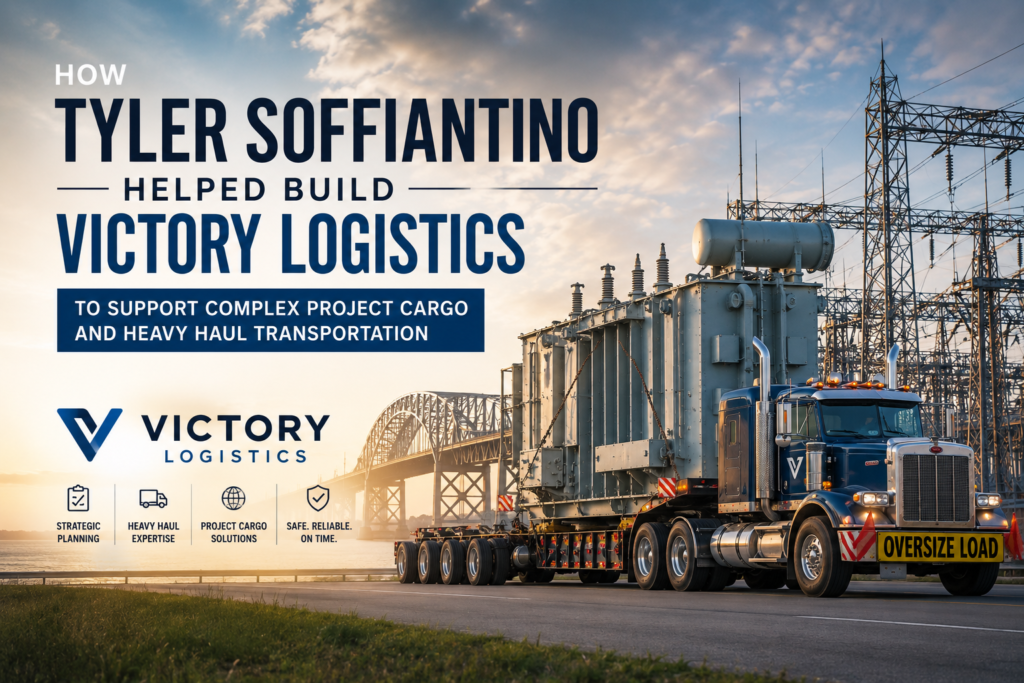
One of the most demanding areas of heavy haul logistics involves transformer transportation.
Electrical transformers are among the most critical components within energy infrastructure networks. They help regulate voltage and ensure reliable electricity distribution across residential, commercial, and industrial systems.
Transporting these units presents significant logistical challenges.
Transformers often weigh hundreds of thousands of pounds and require:
- Specialized multi-axle trailers
- Route engineering
- Infrastructure assessments
- Utility coordination
- Escort vehicles
- Permit management
- Detailed loading and unloading procedures
As electric grid modernization projects continue expanding throughout North America, the demand for transformer transportation and energy infrastructure logistics is expected to grow substantially.
This trend is being driven by:
- Aging infrastructure replacement
- Renewable energy expansion
- Increased electricity demand
- Data center development
- Industrial growth
- Grid resiliency initiatives
According to Tyler Soffiantino, logistics providers supporting these projects must understand not only transportation requirements but also the broader operational objectives behind the infrastructure investment.
Delivering critical equipment safely and on schedule can have a direct impact on project timelines and operational readiness.
Building Victory Logistics Around Complex Transportation Challenges
The entrepreneurial growth of Victory Logistics has been closely tied to understanding how customer expectations continue evolving within the transportation and logistics industry.
Businesses today require more than transportation capacity.
They increasingly seek logistics partners capable of providing:
- End-to-end visibility
- Strategic planning
- Supply chain coordination
- Risk mitigation
- Operational flexibility
- Scalable execution
Recognizing these trends, Tyler Soffiantino helped position Victory Logistics around a service model focused on solving complex transportation and supply chain challenges.
The company’s approach emphasizes:
- Full Truckload (FTL) transportation
- Less-than-Truckload (LTL) solutions
- Warehousing
- Freight forwarding
- Project cargo logistics
- Heavy haul transportation
- Supply chain optimization
By developing a broader operational framework, Victory Logistics has been able to support customers across multiple industries while maintaining the flexibility required to address increasingly complex logistics requirements.
Why Supply Chain Execution Matters More Than Ever
Modern supply chains have become significantly more interconnected.
A delay in one part of the transportation process can create cascading effects across an entire project or production schedule.
For businesses managing infrastructure projects, industrial operations, or large-scale construction initiatives, reliable logistics execution is often the difference between success and costly delays.
This is why many organizations are placing greater emphasis on:
- Supply chain visibility
- Transportation planning
- Logistics coordination
- Operational efficiency
- Strategic partnerships
According to Tyler Soffiantino, successful logistics execution ultimately comes down to preparation, communication, and the ability to anticipate challenges before they become disruptions.
The most effective logistics strategies are proactive rather than reactive.
Organizations that invest in planning and coordination are often better positioned to maintain operational continuity when unexpected challenges arise.
The Future of Project Cargo and Heavy Haul Logistics
Several trends are expected to shape the future of project cargo logistics and heavy haul transportation over the coming years.
These include:
Energy Infrastructure Expansion
Significant investment in power generation, transmission infrastructure, renewable energy projects, and grid modernization will continue driving demand for specialized transportation solutions.
Increased Supply Chain Visibility
Customers increasingly expect real-time updates, performance tracking, and greater transparency throughout the transportation process.
Infrastructure Modernization
Public and private infrastructure investments are creating new opportunities for logistics providers capable of supporting large-scale projects.
Growing Equipment Complexity
As industrial equipment becomes larger and more specialized, transportation planning requirements will continue increasing.
Integrated Logistics Solutions
Businesses are increasingly seeking providers capable of managing multiple transportation and supply chain functions through a single strategic relationship.
Final Thoughts
Project cargo logistics, heavy haul transportation, transformer transportation, and energy infrastructure logistics represent some of the most demanding segments of the supply chain industry.
Successfully supporting these projects requires far more than transportation capacity alone. It requires strategic planning, operational discipline, technical expertise, and the ability to coordinate multiple stakeholders across complex environments.
For Tyler Soffiantino, helping build Victory Logistics has always centered around solving these types of challenges for customers while supporting the broader infrastructure, industrial, and supply chain networks that drive economic growth.
As demand for specialized logistics solutions continues increasing, companies that combine transportation expertise with strategic execution will play an increasingly important role in shaping the future of supply chain performance and infrastructure development.